
«Not the best job from the Christian point of view.» How the drone industry works in Russia and what will happen to it after the war
There are no plans for the peaceful use of drones
Since the start of the invasion of Ukraine, Russia’s drone production has increased many times over, and the industry is now seen as one of the most promising for the coming years. But, as Verstka has learned, drone manufacturers and operators have no clear idea of what will happen to the sector in peacetime. Funding for the civilian unmanned-aerial-vehicle (UAV) segment is being cut, with money even being pulled from the Ministry of Emergency Situations.
Developers of civilian drones say they are forced to produce military equipment in order to survive — it’s the only segment in demand because of the strict regulations that restrict civilian use of drones. Other risks include the rise of an illegal UAV market and the growing use of drones for criminal purposes. Verstka spoke with engineers, developers, and military personnel about the state of the industry today — and what they expect after a possible truce.
We changed the names of some interviewees due to safety reasons.
To read future texts, follow us on Telegram
A national priority — like boosting the birth rate or repairing roads
In the first months of the war, Russia fell far behind Ukraine in the «low altitudes,» the realm of drone warfare. But after several months of fighting, it became clear: drones are the future of modern combat.
«This winged bastard flies on a frequency you can’t jam and at an altitude you can’t reach. It releases FPV drones from its wings — you only see them when they’re dropping, and then you have maybe 25–30 seconds before they hit,» says a soldier with the call sign Mirny («Peaceful»). «And making something similar instead of these useless Orlans (reconnaissance UAVs used by the Russian army) wouldn’t even be difficult. But no — nothing.»
Before the invasion, the Russian authorities hardly ever talked about drones. The first mention of UAVs on the Russian president’s website dates back to September 21, 2022. It was during a visit to the Novgorod Technical School (NTS), where the annual gathering of combat drone operators, «Dronnitsa,» is now held.
This gathering is now one of the main events in the drone industry. «We need to respond to the situation more quickly. The Ukrainians have long since created entire forces, an entire branch of the military. And they have gained tremendous experience,» said Dmitry Rogozin, Russian senator from the occupied Zaporizhzhia region and former head of Roscosmos (Russian space agency), at the last Dronnitsa event.
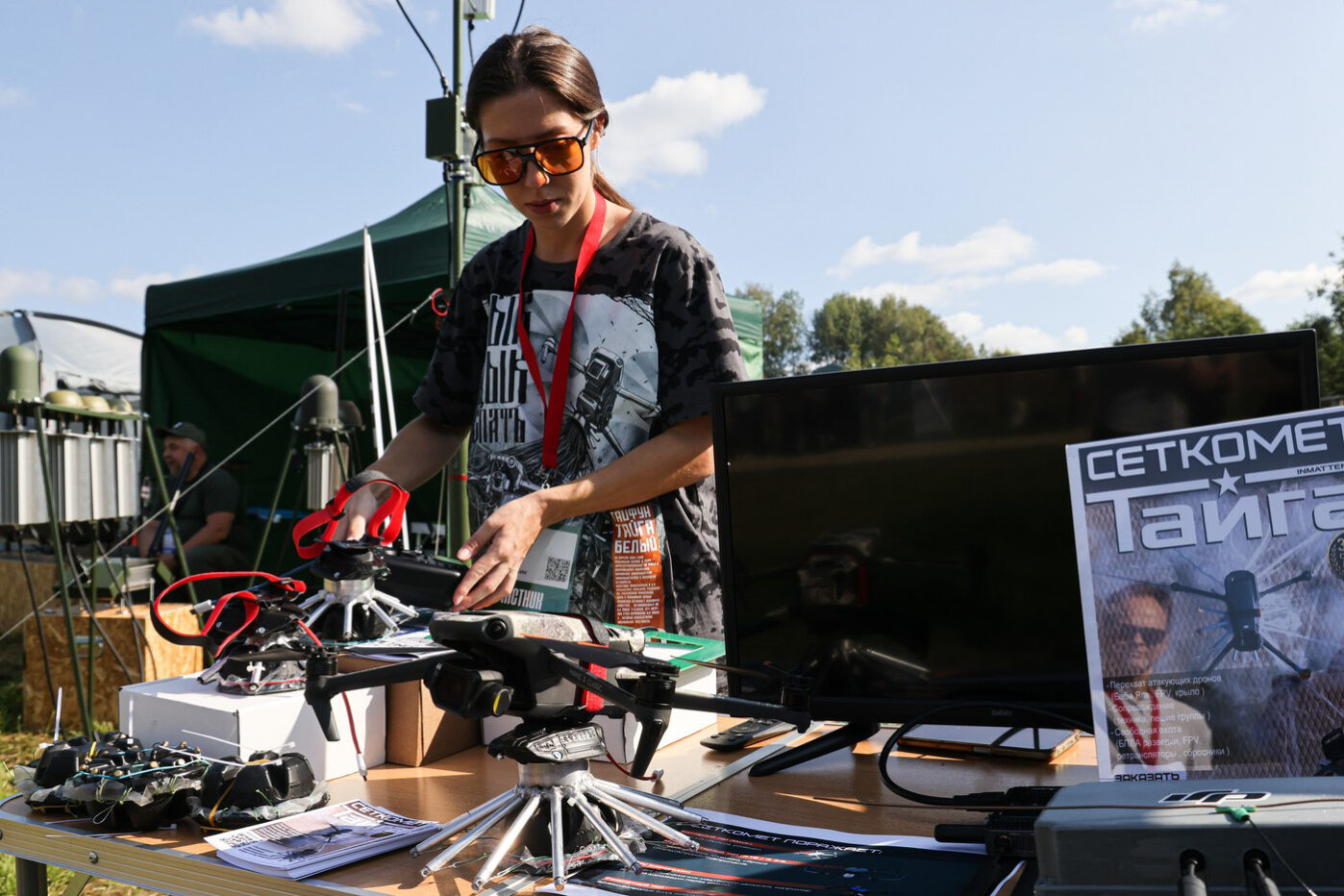
When the effectiveness of drones became apparent, the Russian authorities promised drone developers some decent benefits. The state launched a separate strategy for the development of UAS (unmanned aerial systems) in Russia, and then drones were even singled out as an independent national project — alongside increasing the birth rate and repairing roads. The current Minister of Defense, Andrei Belousov, was appointed as a supervisor of this project.
The industry responded quickly: «When you see something flying and hitting targets, you think: I know how we can improve it. And then you see an opportunity to get in this business,» Alexander, a developer from a «backyard» design bureau in the Leningrad region (region surrounding Saint-Petersburg), tells Verstka. He started making drones for his friend serving in the Russian army.
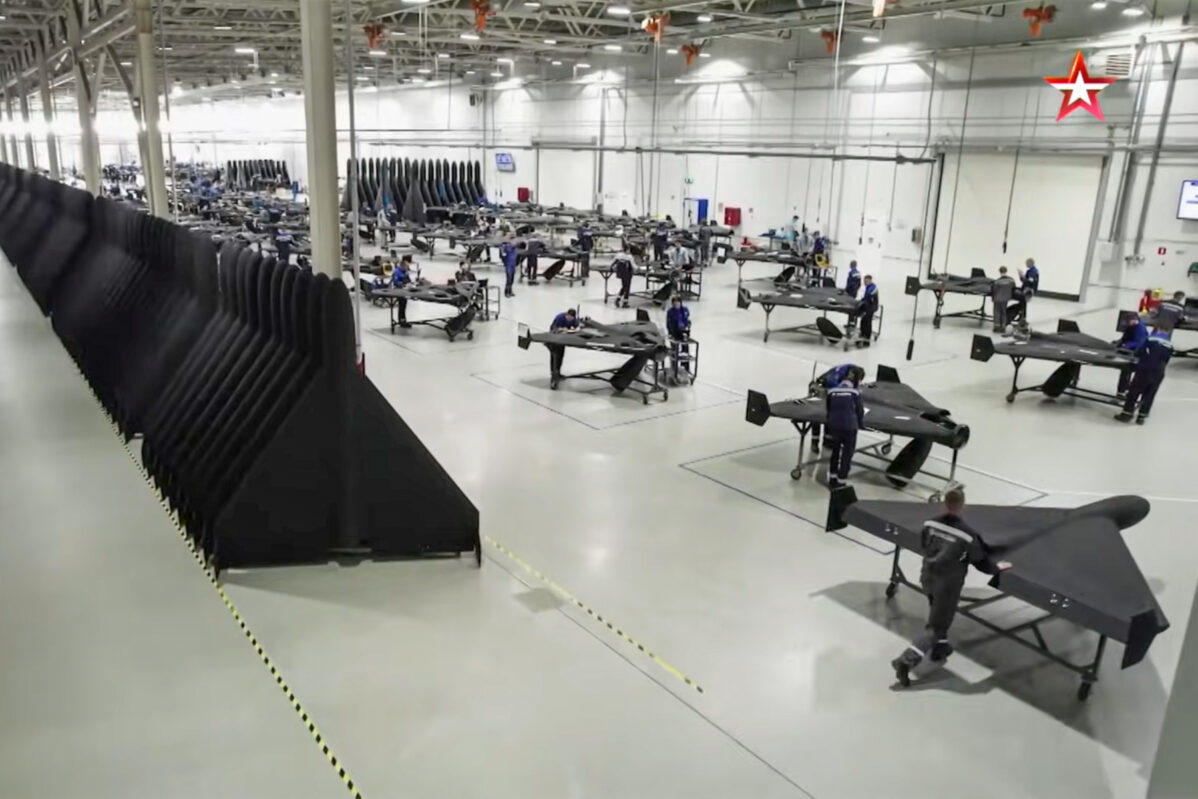
In the spring of 2025, Prime Minister Mikhail Mishustin announced that UAV production in Russia had tripled over the past year. According to data from the Federal Corporation for the Development of Small and Medium-Sized Businesses, in 2025, at least 889 enterprises in Russia were involved in the production of drones or components for them, and 70% of them were small and medium-sized enterprises. Two years ago, there were almost half as many such companies in the country.
Many schools teaching how to assemble and operate UAV, have opened in Russia as well as courses on drone programming. In May 2025, a textbook on unmanned aerial vehicles for school grades 8–9 was included in the federal list of educational materials for studying the Technology subject. Schools are opening clubs on drone control, currently as an extracurricular activity. UAV operators are even being trained from kindergarten age, for example, in Perm.
Young people are often involved in the creation of combat drones. Students work at Alabuga (Tatarstan region), where the Geran drones (Russian version of Iranian Shahed drones) used to attack Ukrainian cities are made.
«The main thing is wanting to learn. We’ve got the specialists. We have molding, laser, and milling machines — all donated. Students come in and build attack drones,» Viktor from a design bureau in occupied Luhansk tells Verstka.
Obviously, the war has boosted the UAVs industry. At the same time, the authorities like to emphasize that combat UAVs are, of course, good, but Russia is focusing on the peaceful side of industry as well. «It is clear that everyone is talking about this now — drones are in demand and widely used in the military sphere, but the real market, of course, is in the civilian sphere!» said President Putin in April 2023.
In practice, private companies can only create civilian UAVs if they take orders from the military. Anton Sergeev, an employee of a design bureau in the Yaroslavl region (a region in Central Russia), tells Verstka that his company initially specialized in civilian technologies. But now, if you want to make money by creating a pizza delivery drone, for example, you can’t do it without the help of the military.
«Orders are only growing now. I can’t give specific figures, but let’s say tens of thousands drones per year,» says Sergeev. He lists the advantages of cooperation with the military. «People aren’t burning out, new ideas keep coming, and testing has become much easier — we can do it right on the front line now, thanks to stronger horizontal connections. The time from creating a prototype to its first use has dropped from six months to just two weeks.»
Military drone operators confirm that it is easy to test everything on the front line, directly in combat conditions. «I got out of the grove, stood up with the remote control, and off we went,» says a soldier with the call sign «Kalhas.»
In 2024, the total volume of the UAS market grew by 244% and amounted to at least 336 billion rubles (near 4 billion EUR). However, the civilian segment grew by only 45% to 35.9 billion rubles (almost 400 millions EUR), even taking into account civilian products being used by the Russian army. The market for drones used only for civilian purposes amounted to 21.7 billion rubles (240 millions EUR) — only 10% more than in 2023.
According to the Ministry of Industry and Trade, the market for civilian drones in 2024 amounted to about 39,000 units, less than half of it (16.3 thousands) were produced in Russia.
The state is already cutting funding for UAVs. The national project will receive 26 billion rubles (nearly 300 millions EUR) in 2026, which is 40.5% less than the amount allocated in the current federal budget (43.7 billion rubles or almost 500 millions EUR). At the same time, the authorities, that used to create the demand, will now limit spendings: for the next three years (2026–2028) the budget will allocate only 2.3 billion rubles (approx 25 millions EUR), or approximately 750 million rubles per year (slightly more than 8 millions EUR) for UAVs procurement. Without state subsidies, the industry will barely survive under current legislation, which equates drone certification with aircraft certification. Already in 2025, companies specializing in robotics, software development for drones, and IT began to completely shut down civilian production.
In an interview with Verstka, Pyotr Andreev, an expert in the safe use of UAVs in the civilian segment, compares drones and «large civilian» aviation — both are secondary to the military segment in terms of their importance.
What kinds of drones are there?
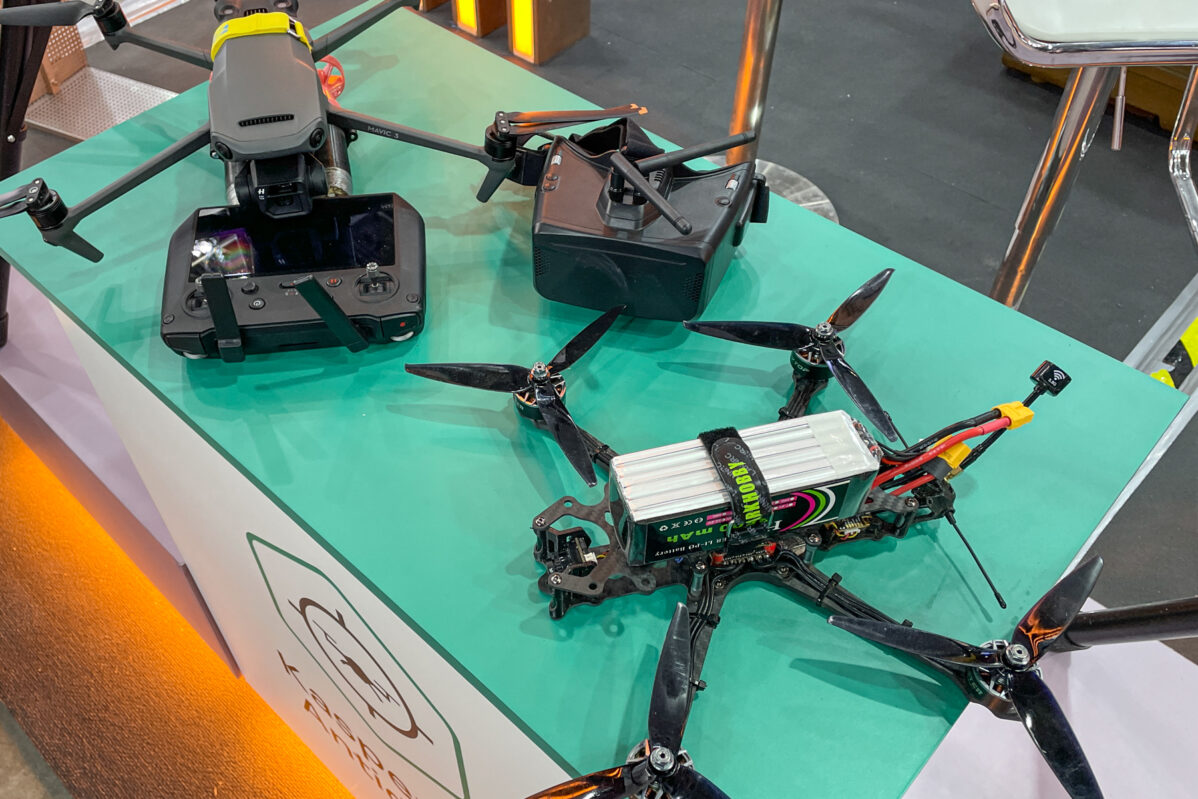
The most demanded are FPV drones, usually quadcopters. These are cheap kamikaze drones that need to be operated with a remote control. They require training to operate and this is not an easy job, but they are deadly and easy to build. Very often, videos from the camera of a drone from the Russian-Ukrainian war are shot with FPV. One FPV drone costs about 30–50 thousand rubles (330–550 EUR). Two such drones are capable of destroying a tank worth millions of dollars.
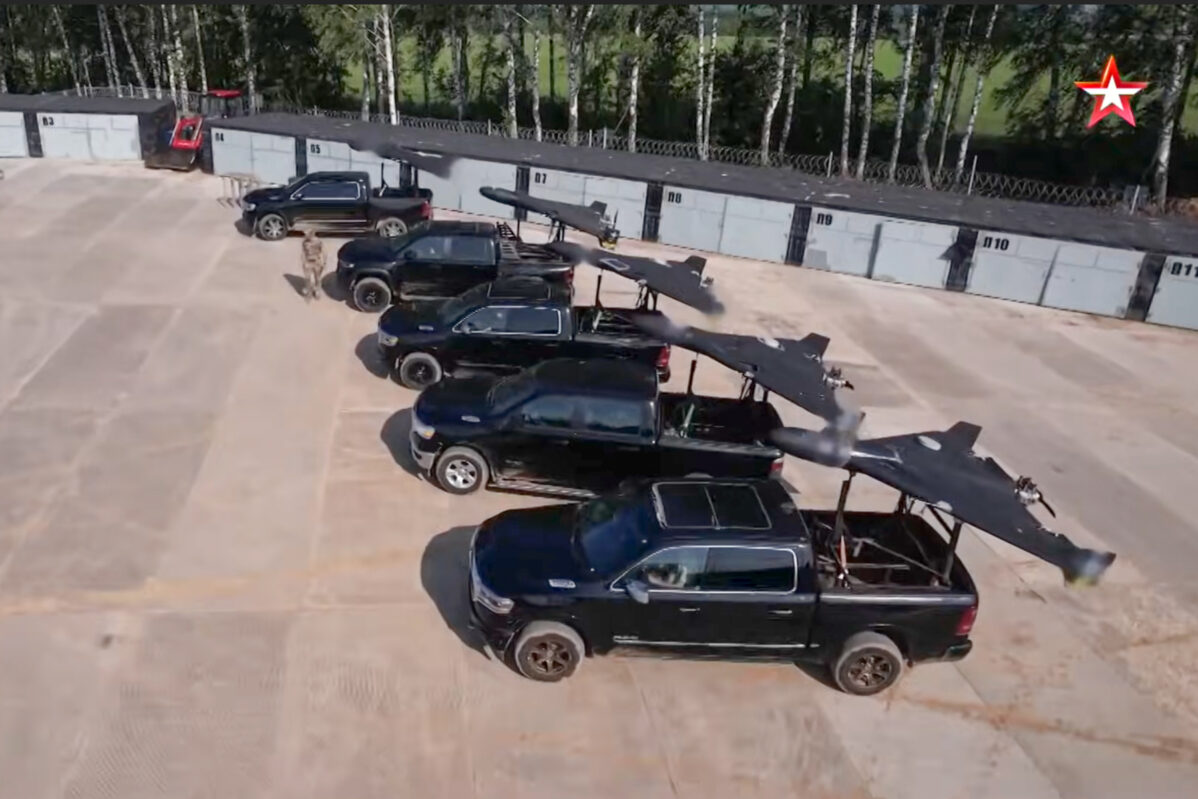
The second option is aircraft-type UAVs. They look like model airplanes or smaller versions of American stealth bombers (flying wings). For example, the Orlan-10 is simply an aircraft-type UAV, while the Geran (a Russian version of Iranian-made Shahed UAV) is a flying wing. In this case, there are many options: kamikaze (like the Geran), reconnaissance (like the Orlan), and other options, including interceptors.
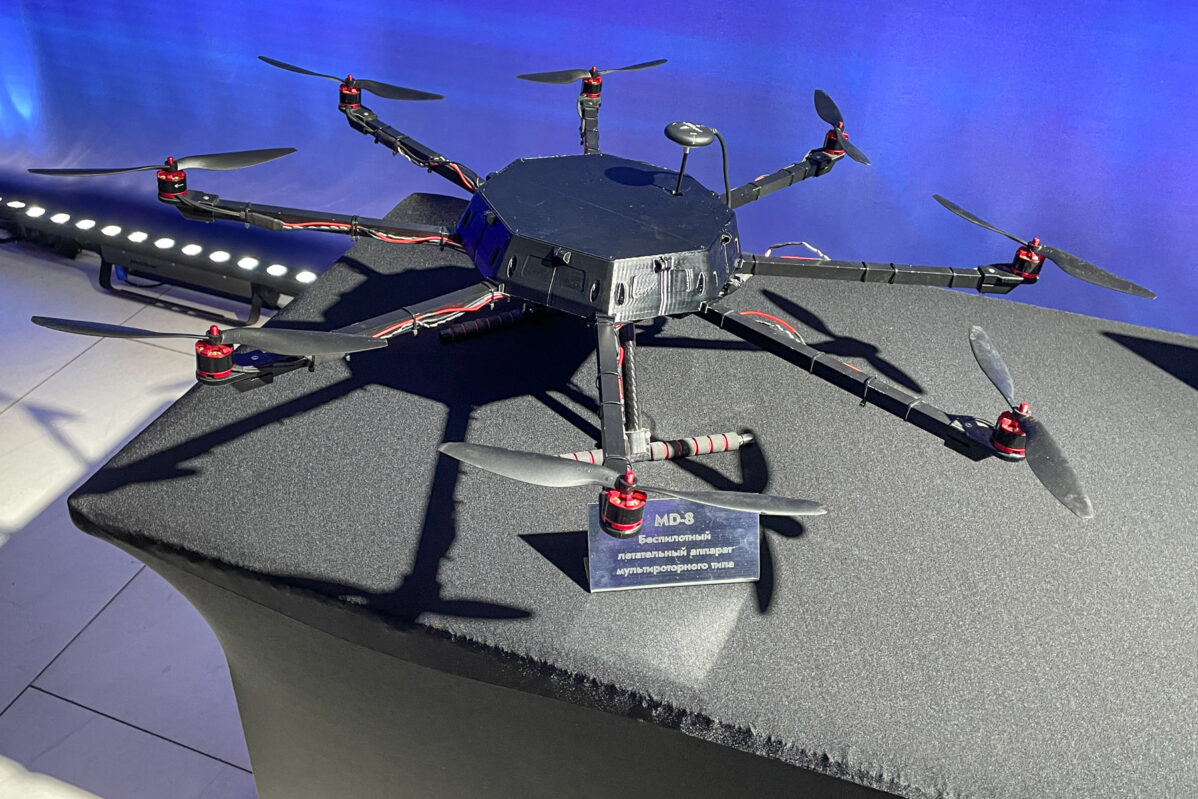
The third type is hexacopters. These are heavy copters with six propellers. The most famous is Baba Yaga (also known as Vampire). It was originally designed as an agricultural drone for spraying farmland. With a single heavy charge, it can destroy a tank or a fortified shelter.
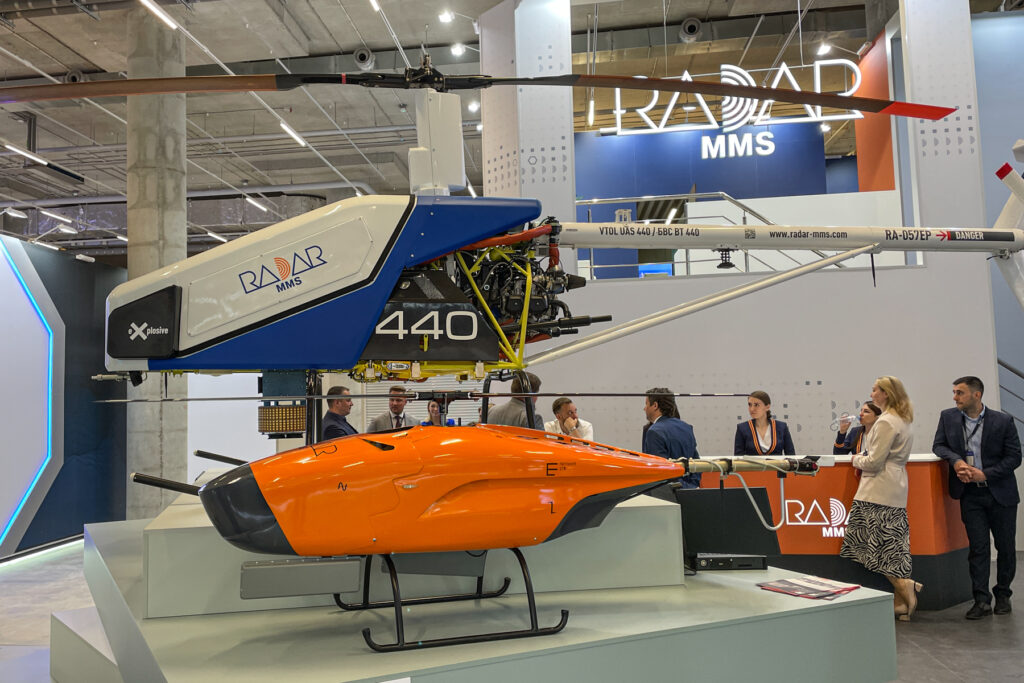
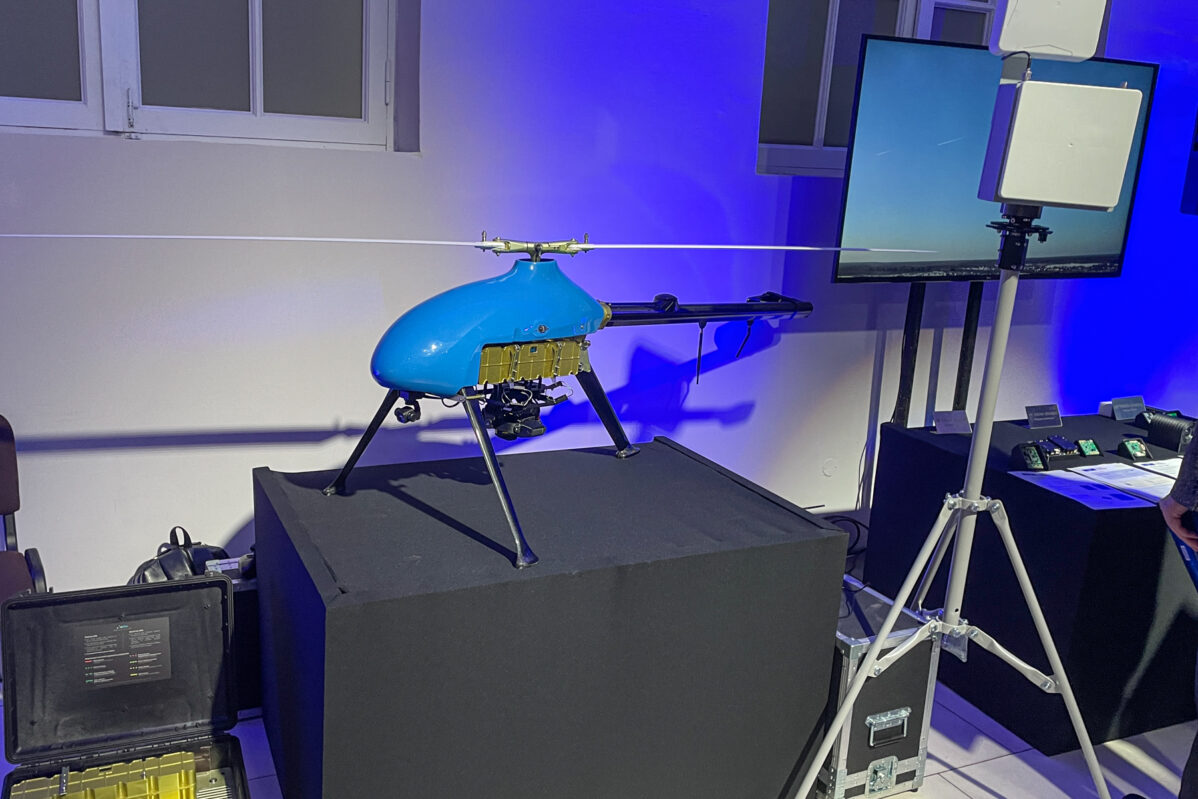
The least popular option is the helicopter-type UAV. They are slow and are rarely used in warfare. However, in civilian use, the BAS-200 (UAV helicopter) was the first drone to receive certification. The joint project between Russian Post and National Helicopter Center Mil&Kamov cost at least a billion rubles (11 millions EUR).
«10 millions, are you fucking crazy?»
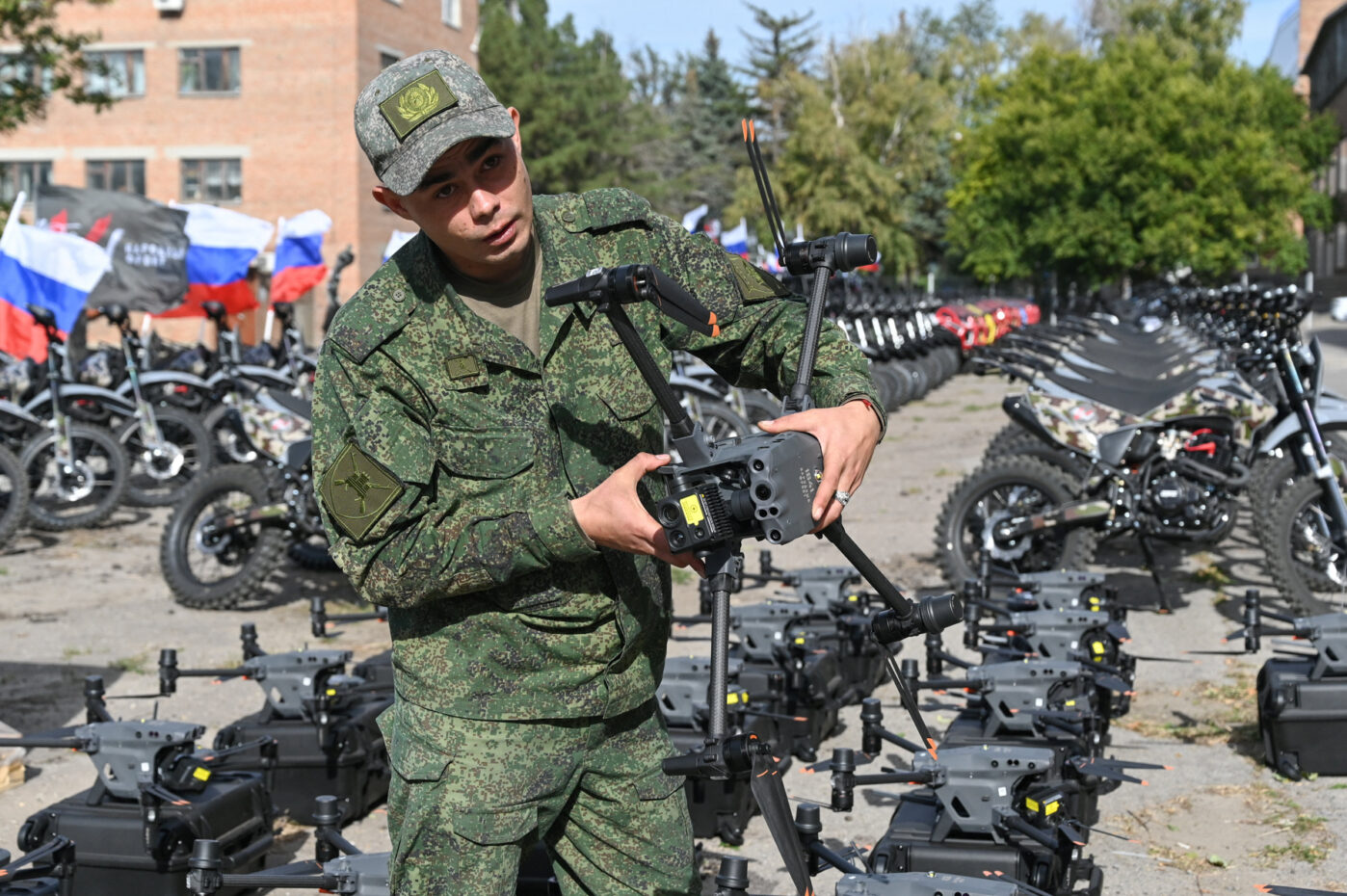
The authorities talk about supporting domestic manufacturers and striving for technological sovereignty. But in reality, only about 40% of components for unmanned aerial systems (UAS) in Russia are produced domestically.
«When it comes to low-altitude flight, we are heavily dependent on China. We also make decent drones, but they cost almost as much as a real plane, and the camera is 40 times worse than on the Mavic,» commented a military officer from the Kherson region with the call sign Mirny (Peaceful) to Verstka in the summer of 2025.
The head of a design bureau in Novokuznetsk (a town in southwestern Siberia) confirms that «domestic» drones are made from non-domestic components. «We buy electronics abroad; there are no other options. We develop software on our own,» he sums up.
Most often, the problem is the cost. According to a developer at A+ company who spoke to Verstka, their domestic batteries are at least three times more expensive than their Chinese counterparts.
«We make our own batteries for each customer. We make them for our own purposes [the company also manufactures FPV drones] and for ground control stations. We have a reliable partner factory, runs like clockwork. But it’s not cheap, obviously».
One battery produced by A+ company costs 800–900 rubles (10 EUR), and a complete battery pack contains 24–36 batteries. On Aliexpress, similar ones cost 180–200 rubles (2 EUR).
«In general, yes, 80–90% of the electronics are imported. There are domestic equivalents, I saw them, but they are 2–3, sometimes 5 times more expensive,» says Alexander from the Leningrad region (a region surrounding Saints-Petersburg).
As Verstka’s sources point out, the state is essentially blocking the development of the civilian drone market. The issue lies in overly restrictive regulations. In practice, obtaining a developer certificate and an aircraft certificate — a requirement for serial production — takes roughly the same amount of time, paperwork, and money for both a large aircraft and a 500-kilogram drone.
Design bureaus that managed to obtain at least a developer certificate had to spend about two years and around ten million rubles on it (110 thousands EUR). And then, each technology for serial production requires another certificate. As mentioned above, the pioneer, BAS-200, spent a billion rubles (11 millions EUR) on this.
The Albatros company from Tatarstan manufactures industrial UAVs and UAVs for aerial photography. It took about a year and a half to obtain a developer certificate — from 2023 to early 2025. According to a source at Albatros, the process was not easy, even though the company has good contact points in Russian military structures.
«It’s funny that the Ministry of Defense acts as an independent expert in the context of civil certification. At the same time, we don’t work directly with the Ministry of Defense; there are a lot of bureaucratic barriers. We are connected through the government of Tatarstan,» says a source at Albatros.
The source boasts that they managed to obtain the certificate for a «record low amount of money»: less than ten million rubles (110 thousands EUR).
Representatives of other companies say that officials involved in certification directly name ten million rubles as the minimum amount for a certificate.
«We tried to get into civil aviation — we even presented at Skolkovo (the high-tech hub that Russian media like to call their Silicon Valley). Then a guy responsible for drone certification approached us, and we were stunned. They wanted 10 million. Ten million! Are you fucking crazy?» exclaims Valentin, a developer at a design bureau in the Moscow region.
Of course, manufacturers then include those costs into the price of their «product». Thus, a reconnaissance drone can cost, for example, about six million rubles (66 thousands EUR).
«Some people are genuinely trying to build something, while others are just trying to cash in. And the more people try to make money off it, the higher the final price becomes,» employees of another aeronautical design bureau in Moscow tell Verstka. They note that their UAV sells for 6 million rubles (about 66 thousands EUR), even though its production cost is 4.5 million (nearly 50 thousands EUR).
The Ministry of Defense can afford to pay such sums, but individual regiments often cannot. Meanwhile, «garage tinkerers» are unable to test their drones for civilian use if the UAV weighs more than 30 kilograms — they need an external UAV pilot license for that. According to expert Petr Andreev, not a single such license has ever been issued in Russia, even though the procedure formally exists.
«So, from a legal standpoint, completing a UAV operator course with a diploma is the same as completing a cross-stitching course. The same applies to companies: to engage in aerial photography, you formally need to be an airline», adds Andreev.
This is confirmed by organizations that have had to become such an «airline.»
«To engage in aviation work, you must have an operator’s certificate issued by Rosaviatsiya. Now, to fly a drone, you must be a drone airline. Even if you work alone,» notes Valery Yarmoshyk, head of the National Land Fund LLC.
It turns out that operating a UAV to extinguish forest fires and operating an Il-76 for the same purpose requires the same documents and permits, concludes Pyotr Andreev.
A military officer with the call sign «Kalhas» notes that although he trains drone pilots himself, he does not have a license and does not need one.
«I didn’t undergo operator training. I did everything myself. I just learned. I simply bought a drone. Basically, I started because I love flying. Then I got into parachuting, and after that I became interested in Ardupilot [a program for creating automated flight routes]».
«The Ministry of Defense trains pilots, and then those pilots can’t fly a thing»
In wartime, no licenses are needed. If someone can fly a drone, they can become a pilot; if they know how to assemble one, they can work as an engineer — even without formal training. Some BARS units (Russia’s military reserve forces that recruit volunteers for the war) are now opening their own design bureaus. For example, Dmitry Rogozin’s BARS «Sarmat» has established such a center.
«We have about ten doctors of science working in the division on a military contract. A year ago, none of this existed — and now we essentially have an entire factory,» Rogozin boasted while speaking about Sarmat.
Despite the growing number of such centers, the military still lacks both state-purchased drones and those produced by its «in-house» design bureaus. Some units even steal drones or individual parts — like blades or engines — from each other, a serviceman from the Zaporizhzhia region told Verstka.
Employees of «modernization companies,» including Sarmat, say that those on the front lines often have to cover the shortage of components out of their own pockets. This is what a contract soldier with the call sign Bort told Verstka.
«Where we are now, in the Kherson region, we have our own production and modernization unit. We build things ourselves, test them ourselves, and then decide whether to scale up. If we weren’t given anything at all, our salaries wouldn’t be enough, of course — we already buy a lot out of our own pockets. They provide flight controllers, video equipment, controls, servos, for example.»
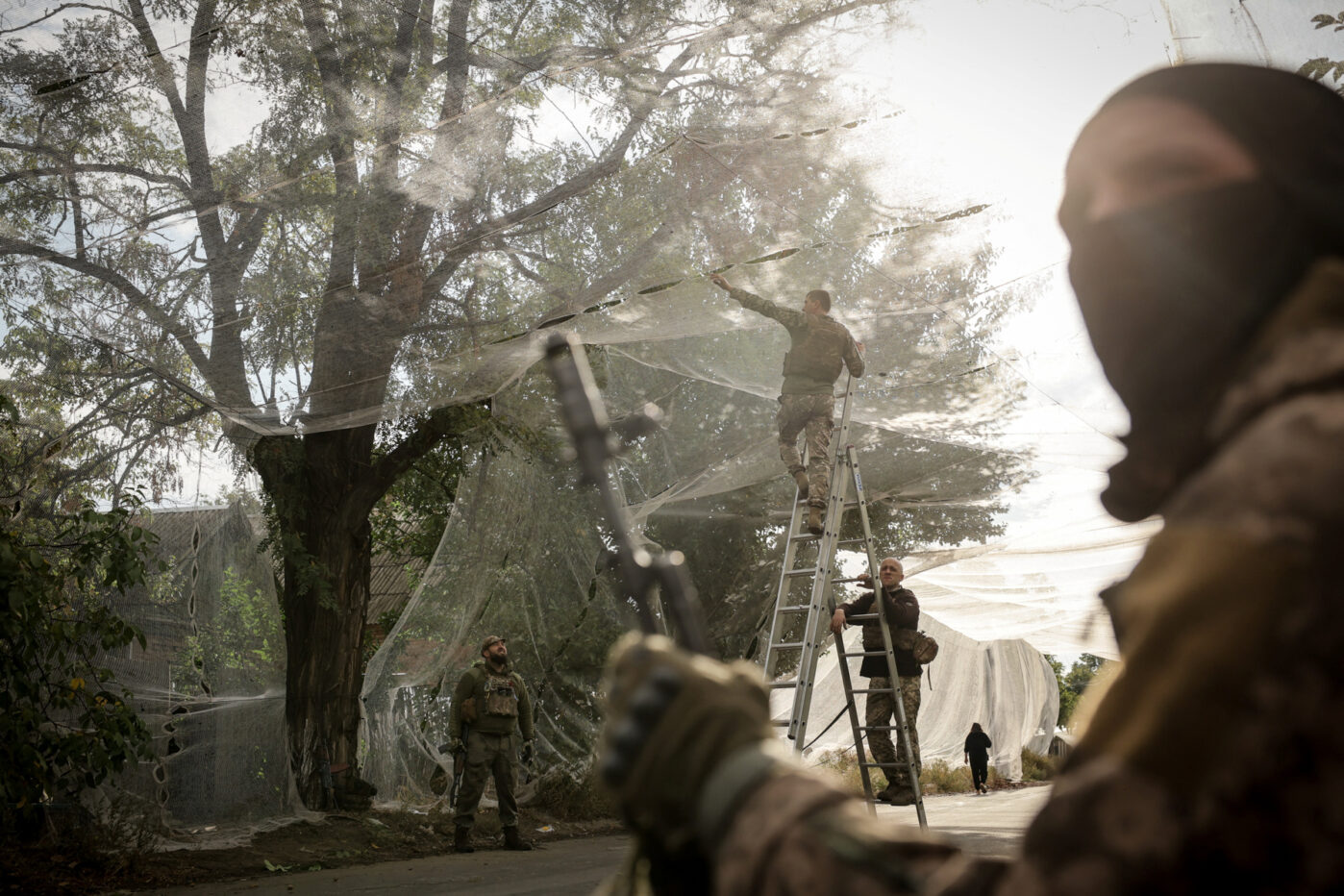
Verstka’s sources note that despite all the attention paid to drones, there is still a severe shortage of UAVs on the front lines.
— We receive 2–3 Mavics per month [from the Ministry of Defense], as well as a small number of FPVs. At the same time, there is quite a lot of this equipment in warehouses, and many UAV companies are forced to replenish their stocks with the help of volunteers or by pooling their own money — this has become a classic scenario,” reports a soldier with the call sign Mirny (Peaceful).
He complains that «media» (popular within social media) units such as Akhmat (Kadyrov-funded unit from Chechnya) are well supplied. The best «birdmen» (slang name for UAV operators) are taken there and given surplus drones when others are in short supply.
The «birdmen» who remain in their units are often inexperienced.
«It works like this: the Ministry of Defense supplies something and trains pilots. Then these pilots can’t fly anything. They come to us and say, ’Help us,’» Kalhas explains.
Mirny cites a post from the Vault 8 Telegram channel, which he says reflects the situation across the entire Russian army:
- Components for drones, tools, and consumables are bought with soldiers’ own money or donated by sympathetic civilians.
- The lab is maintained at the soldiers’ own expense.
- Because supplies are so scarce, soldiers started collecting «trophies.» One captured Mavic served the enemy for an unknown period, was then retrieved by our guys, and is still flying for us — even though it has been shot down at least five times and repaired each time.
- The military sends this unit 20 drones per month. For comparison, the FPV spending limit in our region is five kamikaze drones per day (and those were last year’s limits — things are worse now).
For a typical regimental UAV unit, the ratio of supply sources can vary from month to month, ranging from 50/50 (government/volunteers, donations, soldiers’ personal money) to 15/85 (government/ «people’s military-industrial complex»).
To fill the gap, troops began pulling in friends and contacts to source drones, seeking out people who actually understand UAVs — or at least those who can buy them abroad and tweak or reflash them. Over time, these helpers started being called the «People’s MIC,» the «People’s Military-Industrial Complex.»
The Russian military has learned to make many modifications on its own, such as mine-release mechanisms. Other upgrades — like net launchers for taking down enemy drones or custom firmware that prevents operators from being detected — are built by garage mechanics and sent to the front.
«We do this purely out of enthusiasm and at our own expense — not thanks to the state, but in spite of it,» says Pyotr Andreev, who supports DIY drone builders and also advises major companies.
A source in the Novokuznetsk Design Bureau confirmed this. «We have been working with aircraft for seven years. And we give away FPVs for free, we have already given away 20. But they [the soldiers] break them. They are not very good at it after Mavics,» says the developer.
The military personnel interviewed by Verstka agree that it is not enough to simply obtain drones; one must also learn how to use them.
«They send young guys who haven’t been trained. The only place to teach them is here, in combat, and that’s not how it should be. They need proper testing at training grounds — but that doesn’t happen because of stupidity and rigid thinking,» says a soldier with the call sign Mirny.
«You have to understand what a colonel or general in today’s Russian army is: someone who has risen through negative selection. Only slackers and fools end up in leadership positions.»
«I don’t want to become a businessman»
«Purely military design bureaus» are on the rise now, emphasizes expert Pyotr Andreev. This is because combat units that purchase drones privately are not interested in certificates — it is simply more profitable to trade with them than to invest tens of millions in paperwork. According to Andreev, in the current environment, it is easiest for developers to abandon civilian projects altogether.
Anton Sergeev from Yaroslavl (a town in Central Russia), whose bureau originally aimed to build pizza-delivery drones, says it was military contracts that pushed their development forward. Initially, cooperation with the army was just a «necessary step» to fund civilian work. But soon employees became motivated, «got drawn into helping the front,» and started coming up with their own upgrades. «Any conflict produces a small but meaningful surge of new ideas,» Sergeev says.
None of Russia’s drone developers seem troubled by the fact that they are creating weapons designed to kill.
«As for me personally making things meant to take lives — sure, it’s not the most ethical work from a Christian perspective. But that’s the reality: people kill people, and I’m helping those who feel closer to me kill their enemies,» says Alexander, a «garage» craftsman from the Leningrad region.
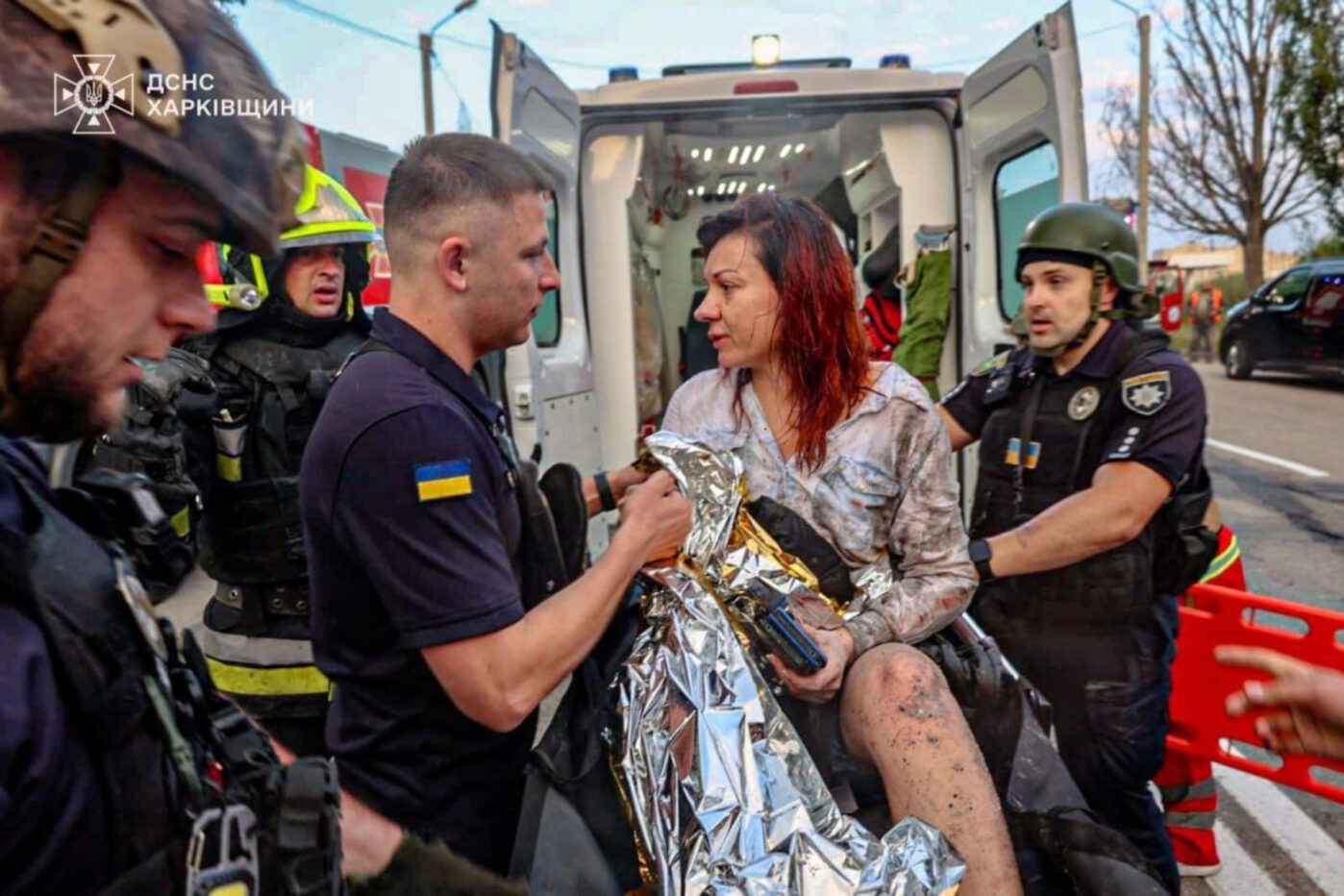
Even those developers who have become dependent on government defense contracts are forced to consider what will happen once the war ends. Their solution is straightforward — they expect new conflicts to keep demand high.
«First, who knows if this [the war in Ukraine] will ever end. And second, we’ll sell to anyone, military or civilian. We’re not choosy,» a manufacturer of propellers and other UAV components told Verstka.
According to Valentin, a developer from the Moscow region, once a truce with Ukraine is reached — assuming Russia doesn’t start another war — UAV developers will still be able to sell their drones to countries in the Global South or illegally to security services.
«Our own civilian industry — who the hell needs it? The civilian market is totally fragmented. ZALA (one of the key players) is dumping prices. A woman from the Ministry of Emergency Situations came recently and said they’d ordered 600 of these drones. What would they even use them for?» Valentin says.
«In short, we never made plans for the civilian market — and we certainly won’t now. The Africans will always be fighting. Better to sell to them later; they’re constantly at war. Or sell it to the guys from the ‘office’ (a slang name for intelligence service)»
«There will be combat operations in other countries, such as Syria,» says another developer, the creator of UAVs detectors.
Those hoping to break free from dependence on government defense contracts remain unsure and believe the state will eventually offer them alternatives.
«Well, I think we’ll switch to something else — radios, for example,» says a detector developer. «Even after the war, these detectors could still be useful in prisons, to spot drones carrying drugs. And I’ve heard that major cities may soon require large industrial facilities to install drone-detection systems.»
Some developers say they understand the civilian market a bit better and suggest using drones in places «where humans have trouble getting to.» But consumers would need to pay substantial amounts for such services.
«The key word is extreme,» says Bogdan, the head of a company developing a drone-delivery system. «If a package can be delivered by car or by a bike courier, a drone won’t beat that. But in the mountains where bikes can’t go, or on islands, in swamps, across rivers — that’s where we win. Still, all of this only works in regions that both have difficult logistics and enough purchasing power.»
He adds that at first, they will have to work at least at break-even, without losses, and only then can they start making money.
«I suggest starting with the most inconvenient places where it is possible to begin working. And working at least at break-even, so that the battery wear justifies its charging,» Bogdan explains. According to him, if this «works out,» it will be possible to talk about more serious business models, «but that’s not certain.»
Those who will definitely not be left without work are the creators of heavy agricultural drones, because their application is quite widespread. One such developer is Arseny Savelyev, who has a small company in the Ivanovo region (a region in Central Russia) that creates agricultural drones (roughly the same as Baba Yaga).
«It’s registered as a firefighting device. We’re peaceful guys. There are fire extinguishing cartridges [in the missile compartment]. Our emergency services are already very interested. We are currently experimenting, and they are eagerly awaiting the results. That is, we also drop fire extinguishing balls — the solution must be as effective as possible».
According to Savelyev, in some situations, a drone can be simply irreplaceable.
«For example, cars collide on the highway and are on fire: we are constantly risking the lives of firefighters, and there may be gas cylinders, gas tanks, all of which can explode, but a drone — screw it. You fly up, drop six kilograms of fire extinguishing balls directly onto the car, and the chance of someone getting hurt is lower».
Some discouraging news reached Arseny shortly after our conversation. According to the federal budget, spending under the line «Purchase of unmanned aerial systems» for the Ministry of Emergency Situations is set to drop from 591 million rubles (about 5.8 million EUR) in 2025 to 370 million rubles (around 3.6 million EUR). In 2026 and 2027, the planned allocations are also under 430 million rubles (roughly 4.2 million EUR).
In addition to fighting fires, drones could be useful in searching for people — a camera with a thermal imager can be placed on a drone, and it will help find a person lost in the forest. But more complex applications, such as flying cameras for law enforcement, will require infrastructure, at a minimum, charging stations and drone ports.
«I’d build simple models myself in my garage if my hobby brought in any money. I even used to sell them to schools. But they all operate through government contracts — they’re not going to buy from someone working out of a garage,» says a serviceman with the call sign Bort.
«If someone handed me a million in cash and said, ‘Build us ten planes,’ I’d be interested. But I don’t want to run a business — you need a whole team just to deal with the paperwork. In our unit we agreed that if someone finds something useful in civilian life, they’ll secure a proper company for it so the idea doesn’t get lost, and then bring us in.»
To read future texts, follow us on Telegram
«Mavic flew in, dropped it, and in half an hour everything burned down, leaving nothing behind»
«The civilian UAS sector still doesn’t exist in a fully legal form in Russia — and it’s unlikely to appear anytime soon. Because of the administrative barriers imposed by the Ministry of Transport, the civilian drone market isn’t developing. In fact, this year it has even started to decline,» says expert Pyotr Andreev. «Which raises a more pressing question: where will all these specialists go once military production is no longer needed at the same scale?»
According to Andreev, wage growth in the drone industry has slowed along with the broader economy. «With the state budget being cut, order volumes are shrinking, and some companies in the sector are already shutting down,» he tells Verstka. «Even large, wealthy private firms are abandoning the production of civilian UAVs altogether.»
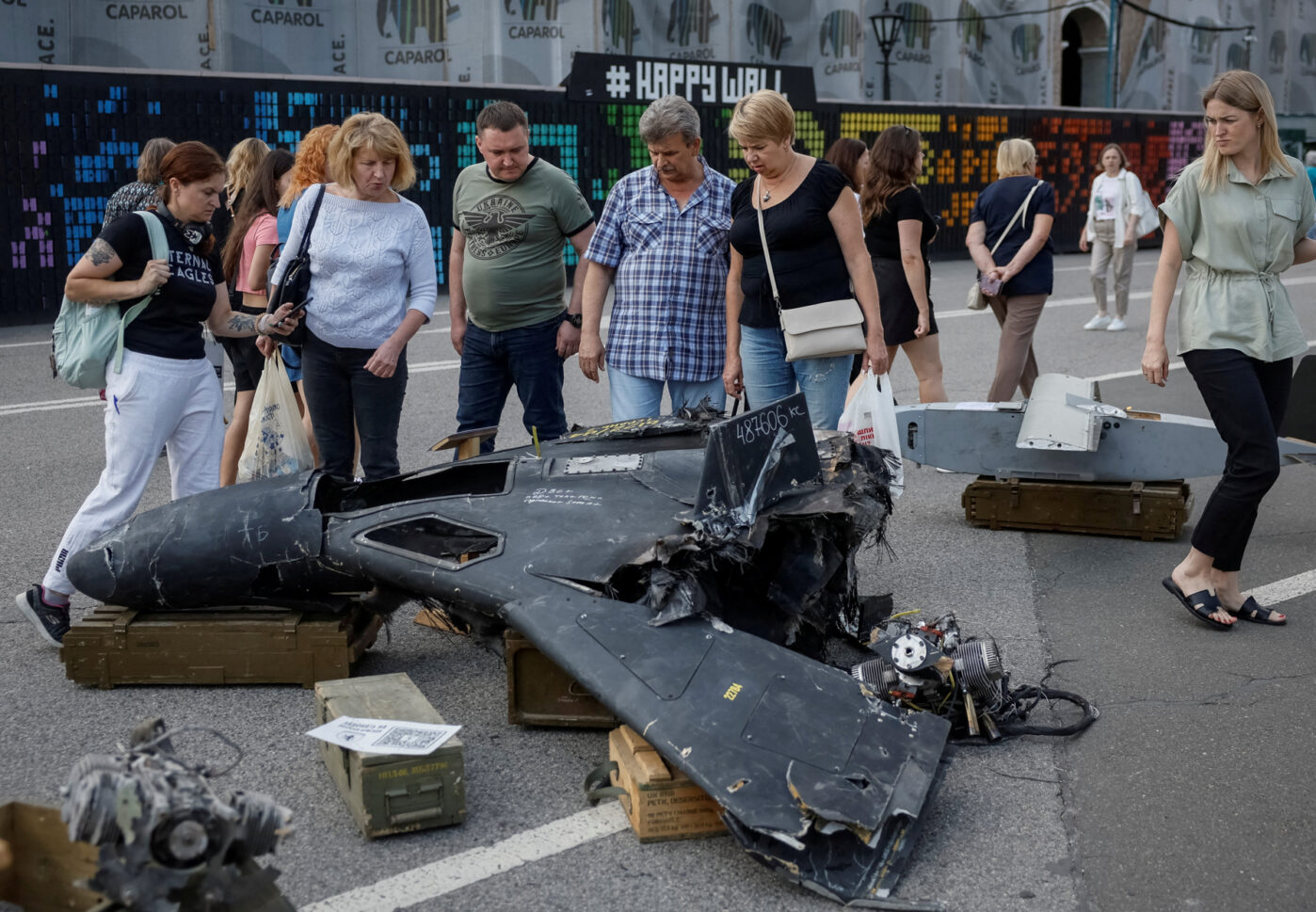
Bort, who works with drones on the front lines, says he has a fixed-term contract and doesn’t need to wait for the end of the war to leave. He doesn’t want to continue fighting after a year.
«Well, what we have now will remain — agriculture, drones for surveying, cartography. But not all regions need this. I’m from the Urals, where we have heavy industry, not agriculture. Forests, factories. Will I find a use for myself? I’m interested in the process of construction and modeling. Some, on the contrary, just want to fly. Some build, some fly, some do both badly», he jokes.
Employees of companies currently working in the drone industry will face competition from those returning from the front lines. As a result, the market will be oversaturated with those who know how to use UAVs. Some of Verstka’s interviewees say that there is a high risk of «undemanded» specialists turning to crime.
«Here in Russia, in the Moscow region, there are Wildberries (a popular Russian marketplace) warehouses, for example, where competition is fierce. It’s simple: Mavic, a simple bombing kit: [we are not publishing the composition of it for security reasons]. A half-hour delay in ignition is the perfect timer. Mavic arrives, drops the payload, and in half an hour everything burns up and nothing remains. The precursors cannot even be identified, Petr Andreev gives an example.
At the end of the war, if the prohibitive barriers in the drone industry are not removed, the civilian segment will simply not appear, according to Pyotr Andreev. This means that it will be difficult for operators and «artisanal» UAV developers to find work.
«The most dangerous risk is that these specialists will join criminal organizations. This already happened after the Afghan and Chechen wars. This could dramatically exacerbate the situation with crime and contract killings, given the new possibilities for using drones in criminal activities», says Andreev.
In general, according to Verstka’s sources, drone operators can apply their skills from the war in peacetime:
- Reconnaissance drone operators can work in cartography and geodesy;
- Heavy UAV operators — in agriculture and cargo delivery;
- Mavic and FPV operators — in music videos and filmmaking.
Another thing is that these professions are not so widespread, and the number of specialists is growing.
The first «warning signs» on the road to criminal misuse have already appeared. In the Krasnodar region (a region in Southern Russia), for example, fraudsters launched a quadcopter over a private home and dropped a threatening note along with a fake explosive device, demanding one Bitcoin from the owner to «cancel» a supposed contract to kill his son. Even anti-drone tools — jammers — have been used in crimes: in the Perm region (a region close to Ural mountains), a man planning to kill his ex-wife and her new partner installed a jammer in their apartment to prevent them from calling the police.
Lawyers say that requiring mandatory registration when purchasing a drone could help prevent such incidents. But in Russia, you also can’t buy a firearm without a license — and that hasn’t stopped anything. Besides, it’s easy to assemble a drone from spare parts, and there are plenty of people on the front lines who know how to do it.
A senior employee at STC — the company that manufactures Orlan reconnaissance drones — told Verstka that they had explored the civilian market but found no real prospects. He himself had tried to negotiate with government agencies about using drones for security and surveillance.
«The authorities hope to impose digital control over everyone who comes back. Drones could be used for protection — the terrorist threat isn’t disappearing. One hundred and forty-three people died at Crocus (a mass shooting in the Crocus Concert Hall in Moscow in 2024); I saw the bodies and the wounded being flown out by helicopter. Later I talked to people from the anti-terror unit: I told them, look, why not send a drone into the building? I can equip it with non-lethal weapons, and even a basic neural network can identify armed suspects. It’s cheap. And their response? ‘Who the fuck needs that?’» the source says.
«Same thing when I spoke with the Foreign Ministry about the ambassador’s assassination in Turkey (the assassination of Russian ambassador Andrey Karlov in 2016). I suggested a rapid drone-based response with non-lethal weapons. The answer was again: this happens once every ten years — who cares», he adds.
This disregard for human life is not unusual inside the drone industry either. Ksenia, an accountant at a design bureau in Nizhny Novgorod, says she is «not interested» in talking about the war.
«I don’t follow how Russia uses drones. My colleagues and I don’t talk about UAV strikes on residential buildings or anything like that. Maybe the war is driving progress in Russia’s drone industry, but I don’t think we’ll face layoffs or pay cuts if it ends,» she says — though she declines to elaborate, saying she has «no interest.» The design bureau where she works manufactures exclusively combat drones.
Text: Oleg Artyushenko
Cover: Dmitry Osinnikov
Verstka is an independent Russian publication , we do not have a single investor either in Russia or abroad. Your donations are very important for us, they allow us to maintain our independence and continue our work—honestly and professionally. Support Verstka Media →